

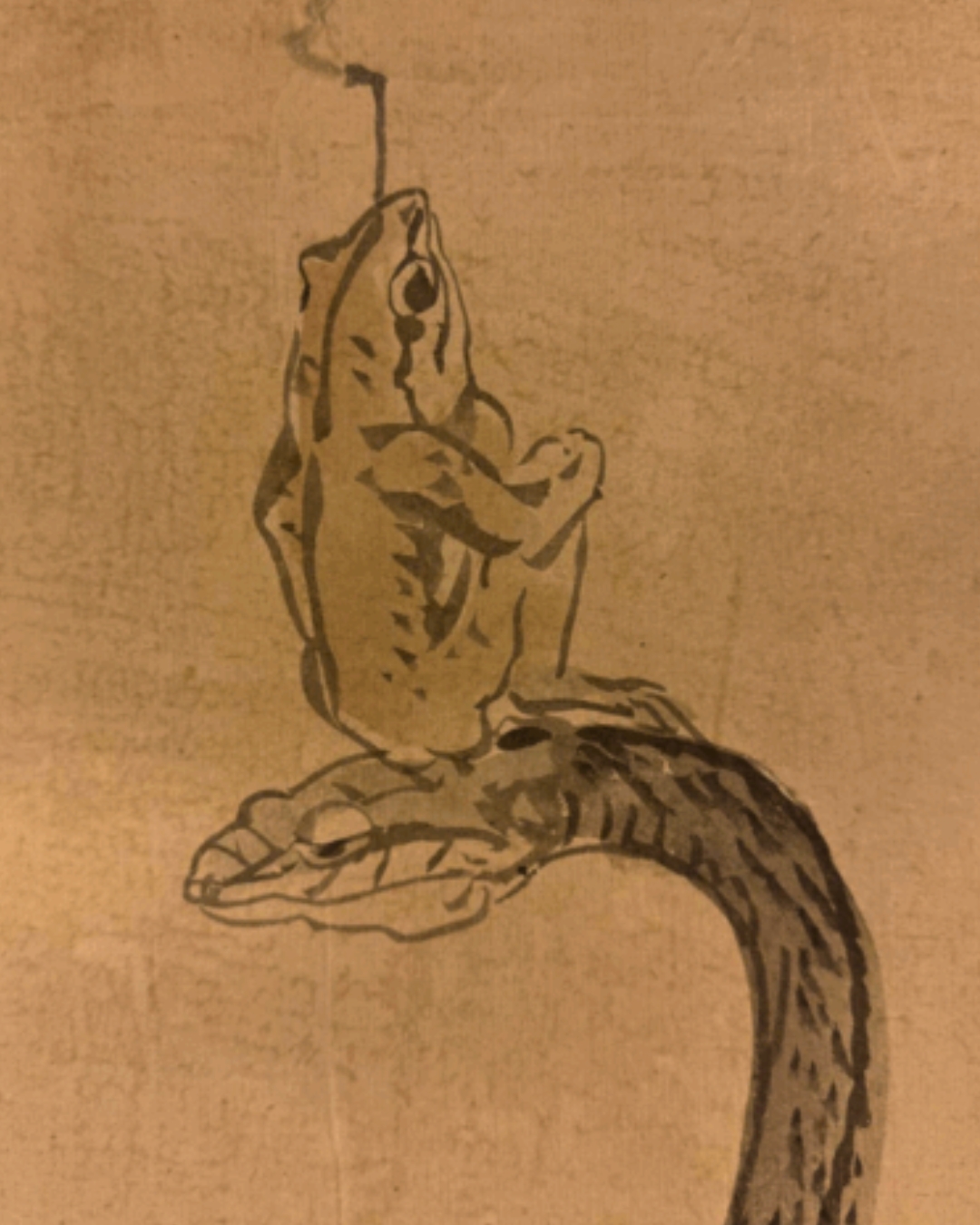

Saturday 13 December at Castle of Agliè, will be held onInauguration of Memories of travel. Paintings from Japan at Agliè Castle, the new set-up with protagonists 21 Japanese paintings, restored by the Restoration Conservation Centre ‘La Venaria Reale’, thanks to the contribution of the CRT Foundation, paid through Art Bonus, and to the support of the Ministry of Culture.
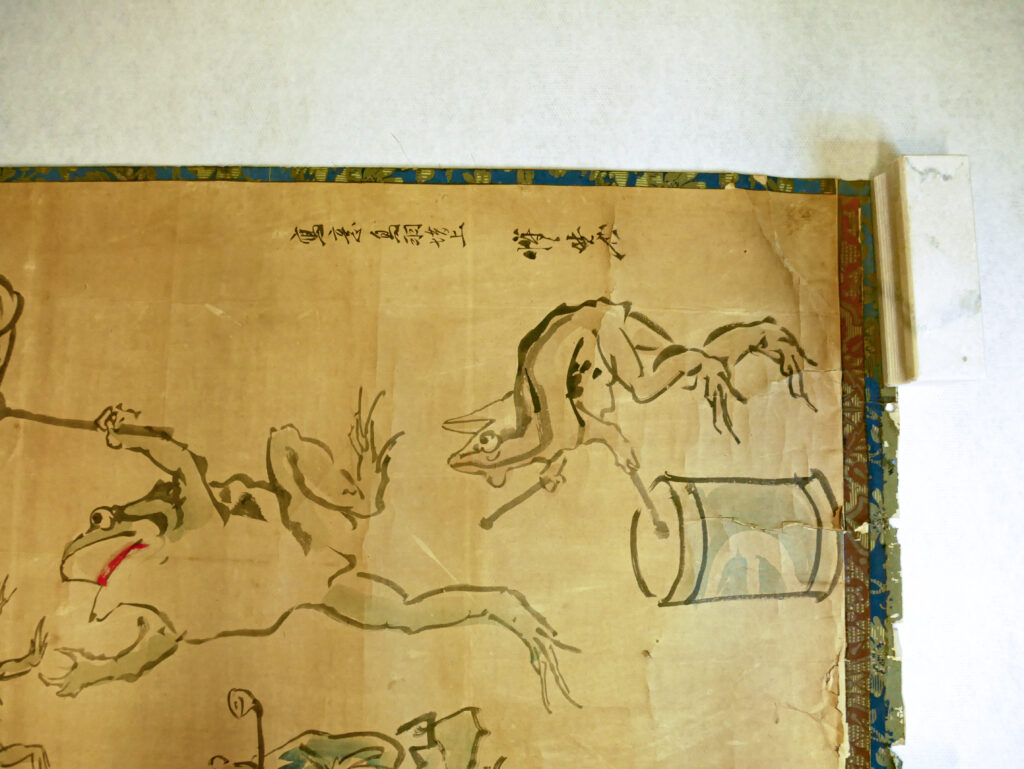
These are works of extraordinary liveliness that restore the graphic freshness and elegance of Japanese artists: Nineteen paintings on paper, mounted on Western papier peint in the format of traditional rolls to hang, and two refined kakemono on silk, purchased in Japan by Thomas, Duke of Savoy-Genoa, during his journey under the command of the corvette Vettor Pisani between 1879 and 1881.
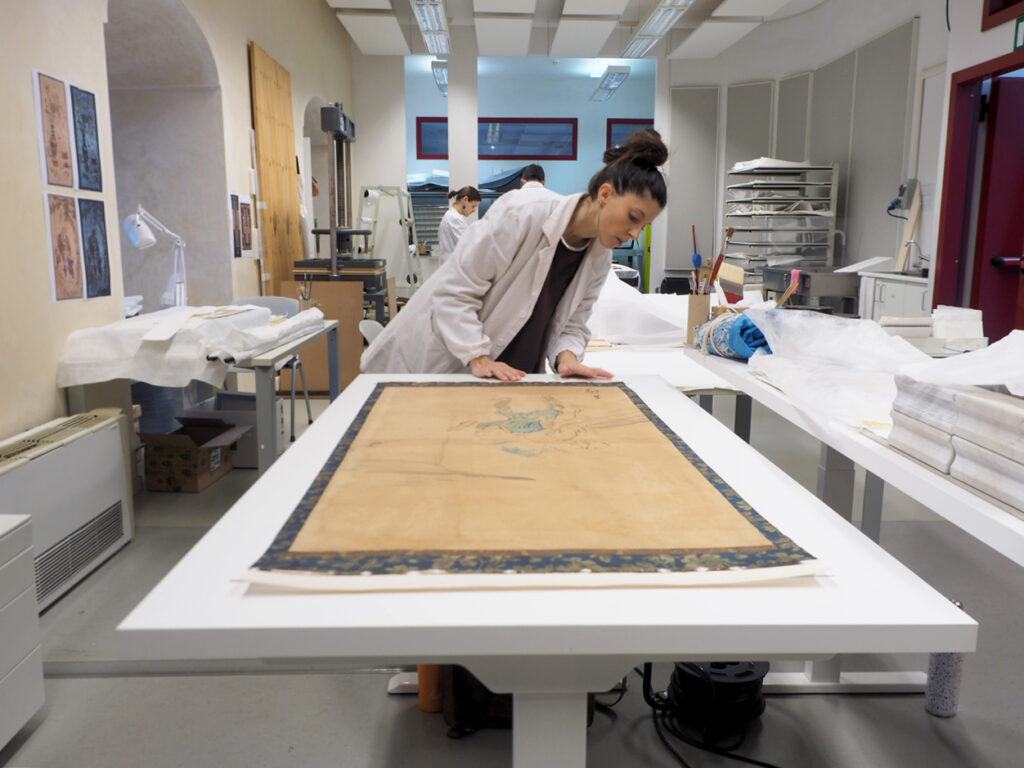
The restoration of the seventeen Japanese paintings on paper and the two kakemono paintings on silk was complex and articulated and required multidisciplinary work between the Paper and Photography Restoration Laboratory, the Textile Artifacts Restoration Laboratory and the Scientific Laboratories of the Center.
The intervention
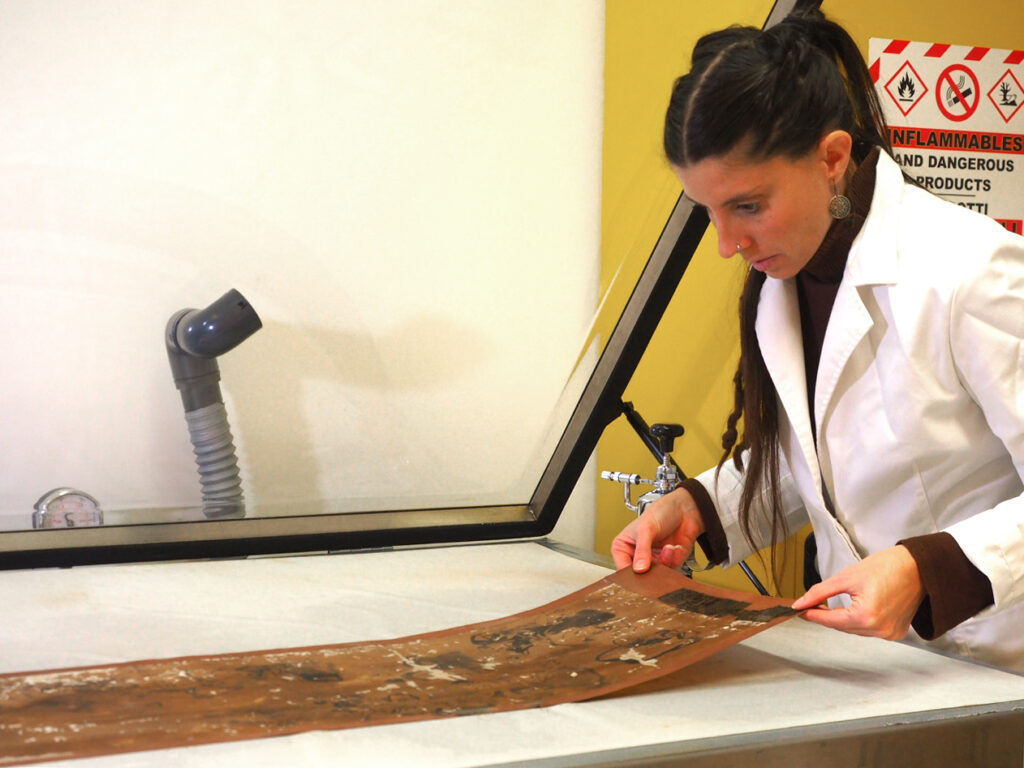
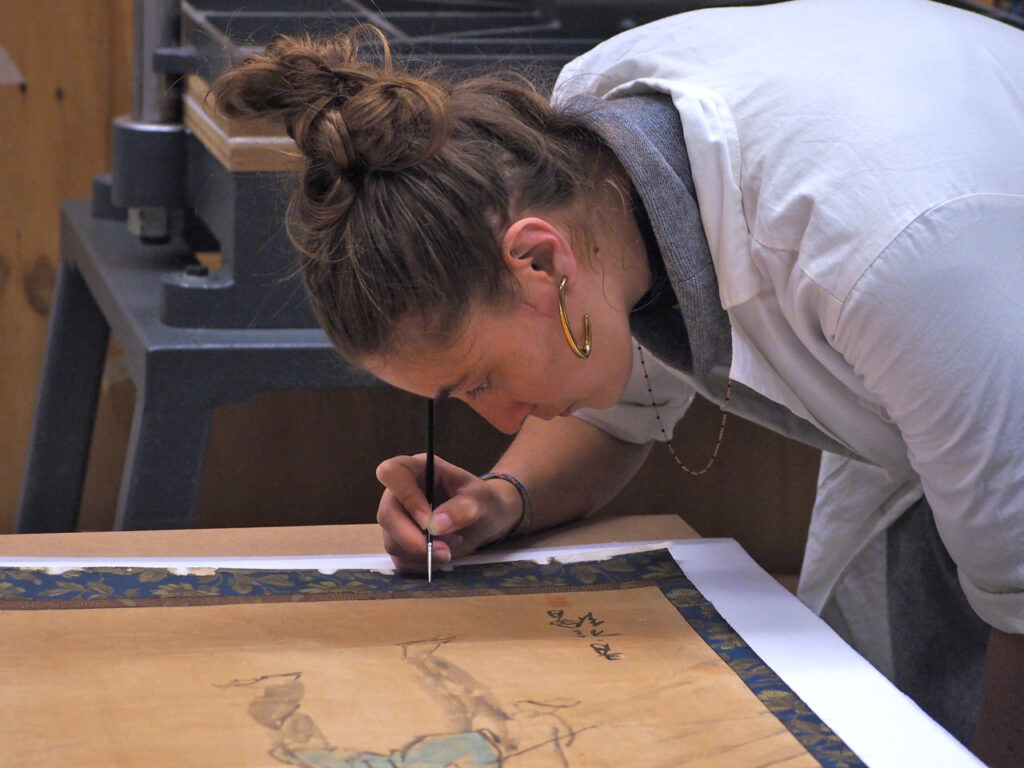
The paintings featured gore, deformations, folds, gaps, tears and widespread uplifts. The paper also showed states of aging, weakening and browning such as to affect the overall perception of the images.
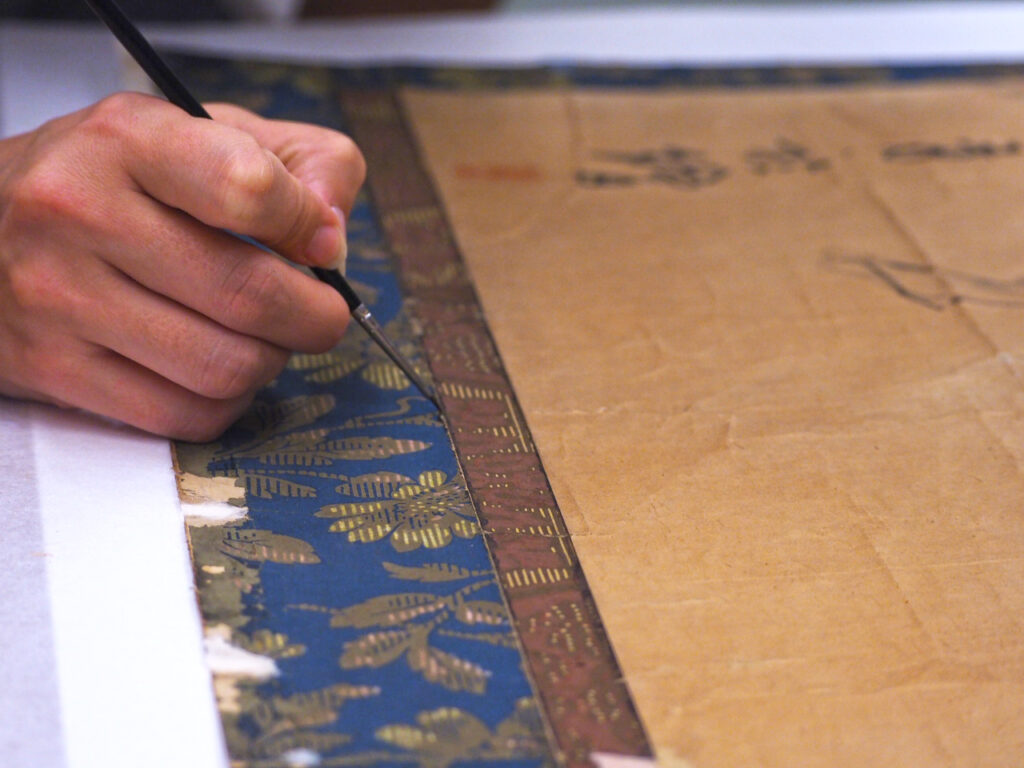
The interventions involved a complex washing operation, followed by consolidations and integrations made with Japanese papers compatible with the original ones while maintaining the historical assembly. The aesthetic return was carried out with watercolor colors and pure pigment powders.
With regard to the two fabric kakemonos, particular attention was paid to the study of executive techniques, in view of the presence of two kinrans – a type of oriental woven fabric characterised by thin golden paper textures. After the cleaning phases, the textile consolidation was based on the structural stabilization of the degrades, such as lacerations and gaps, by means of local inserts of specially dyed fabrics in harmony with the nuances Existing.
The restoration of one of the 19 artefacts was carried out during the degree course for the Master’s course in Conservation and Restoration of Cultural Heritage of the University of Turin in agreement with the JRC, which made it possible to provide significant information thanks to the research and experimentation carried out.




 CCR and accessibility


