

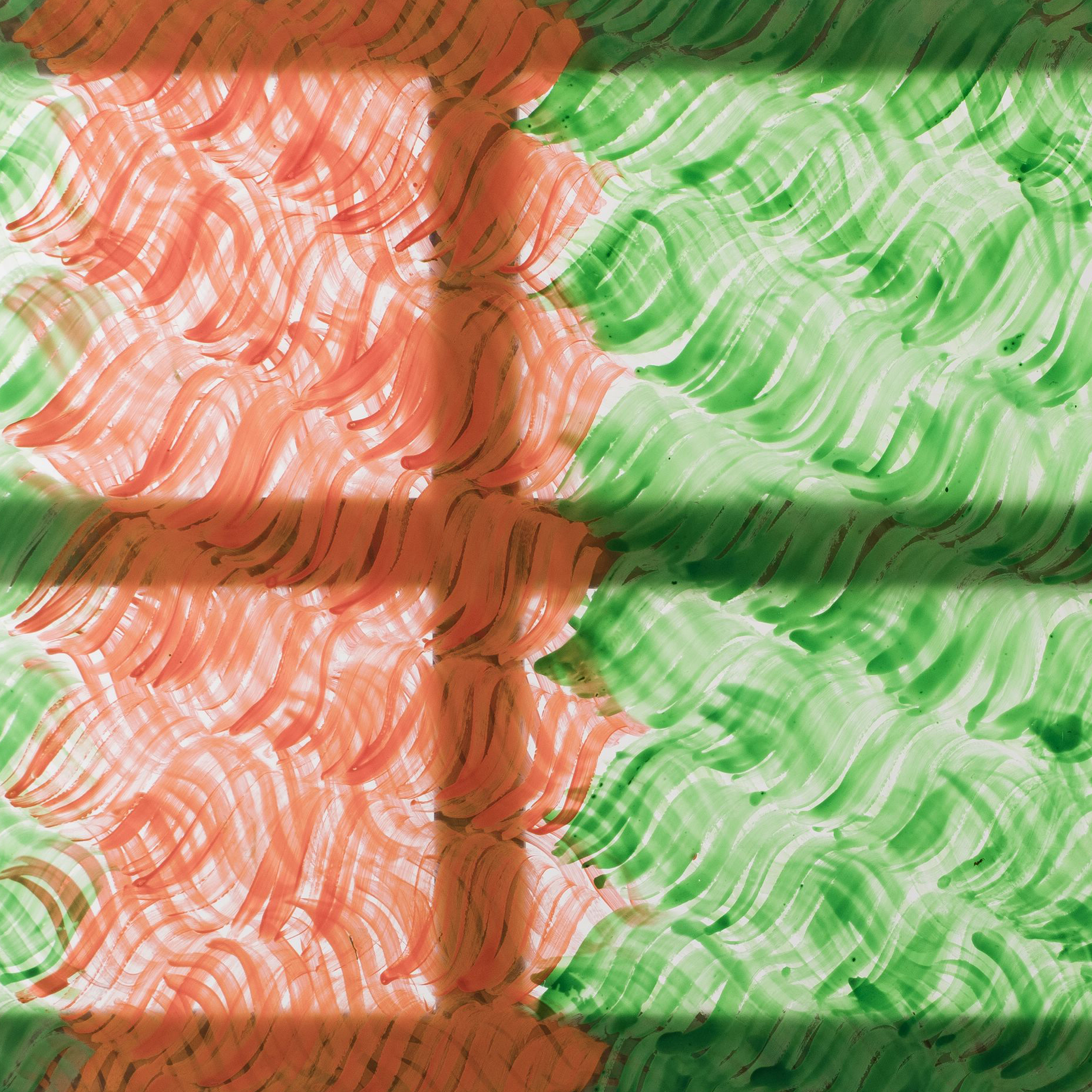
The Centre has equipped a laboratory for the conservation and restoration of works of contemporary art made with unconventional and synthetic processed materials.
The laboratory is distinguished by the methods of approach and methods of intervention developed through specific research and training projects.
The study of the materials, the techniques of execution and the problems of conservation and exhibition of works of contemporary art are among the topics most addressed.
The laboratory has also built up expertise through the collection and storage of data and information obtained from direct discussions with artists, curators, conservators, gallery owners and collectors. Over the years he has worked on works that are part of important local and national artistic contexts, public and private.
Director of Laboratories
Michela Cardinali
Deputy Director of Laboratories
Roberta Genta
Area Manager
Paola Buscaglia
Coordinator
Alessandra Bassi
Restorers
Sandra Vazquez Perez
Art historian
Luca Avataneo
CASE STUDY
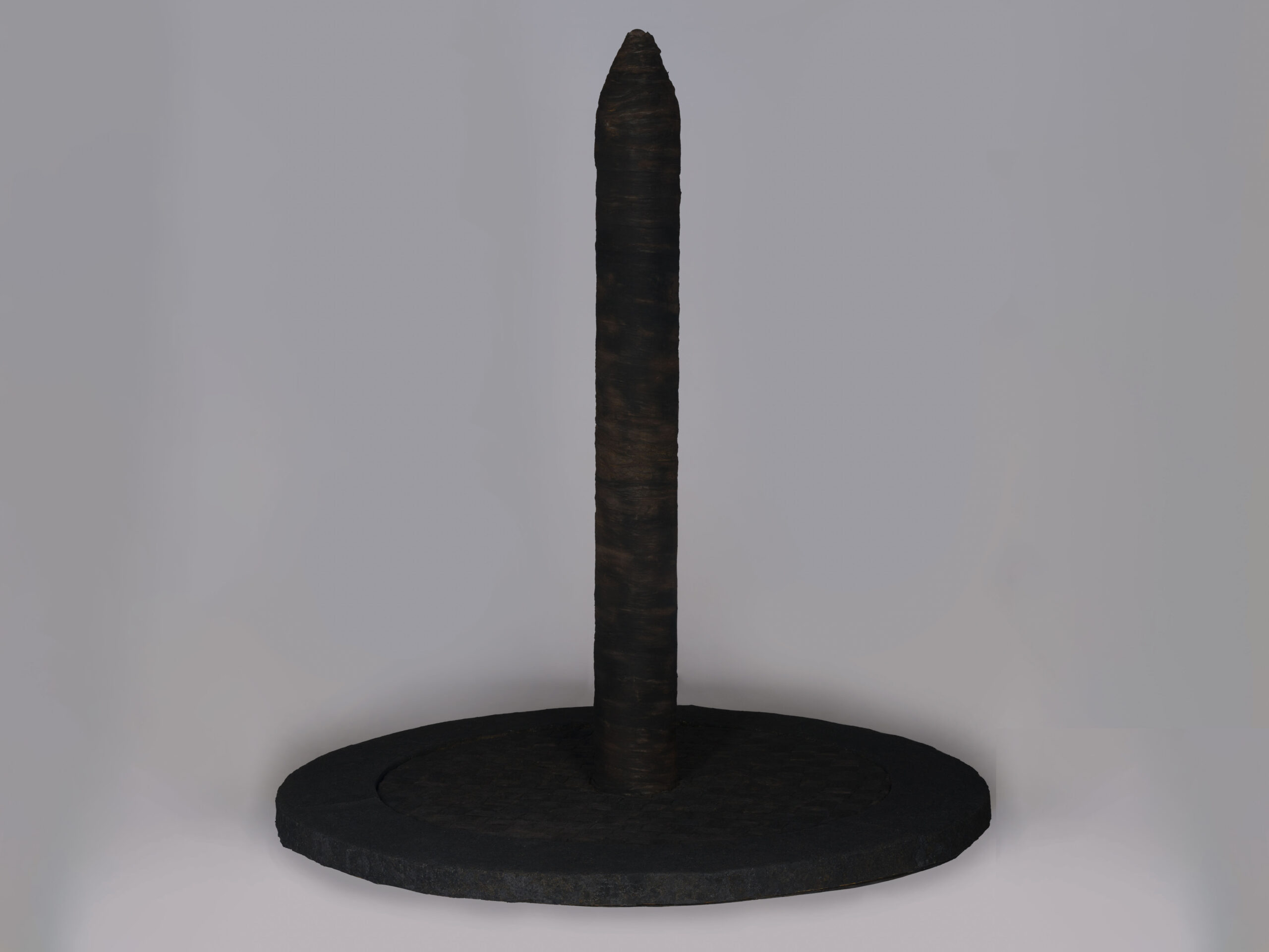
Pino Pascali
Meridiana
1968
Milan, Fondazione Prada
[Thesis of Master’s degree in Conservation and Restoration of Cultural Heritage of the University of Turin in agreement with the JRC]
Pino Pascali’s work was in a poor state of preservation. Made with the use of different materials, such as: steel wool, plywood, PVC, nitrocellulosic colour and polyurethane, the latter in particular being compromised and altered.
Conservative problems were characterized by intrinsic degradation of the material with the appearance of gaps and extensive areas of de-adhesion of the pictorial layer.
The restoration therefore provided for the consolidation and compensation of polyurethane foam, the resolution of the conservation problems of steel wool and the chromatic integration, thus also ensuring the aesthetic re-proposal of the work.
CASE STUDY
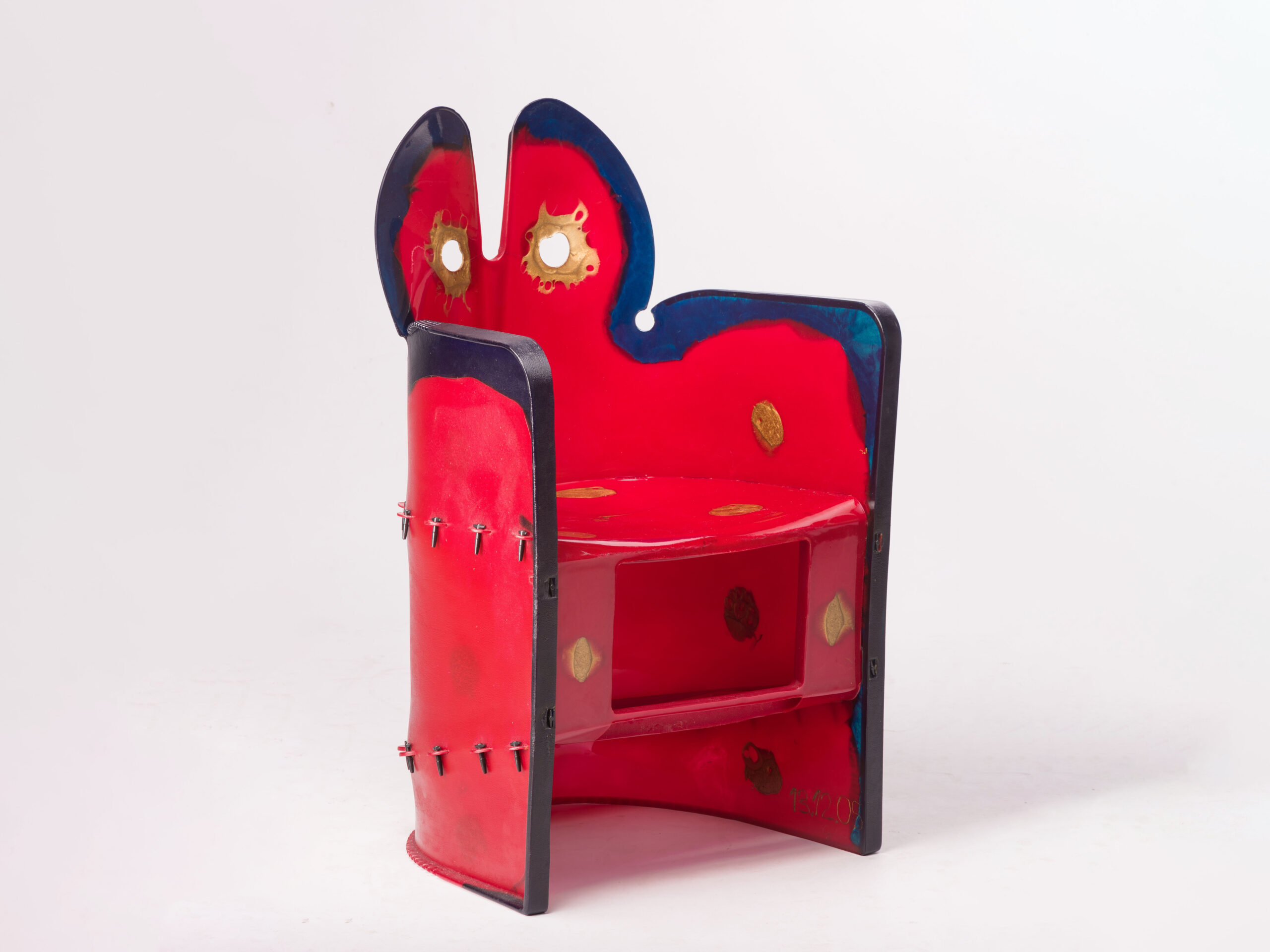
Gaetano Pesce
Nobody’s Perfect Armchair
2005
Private collection
The armchair, in polyurethane elastomeric resin colored in paste with nylon pins, had widespread and wide fractures on the seat and back.
The objective of the intervention was both the recovery of structural stability and the removal of surface deposits and adhesive tape residues present on the surface, as well as the approximation and re-adhesion of the edges of the fractures. The intervention methodology was based on the principle of effectiveness and compatibility with the original material, ensuring its integrity.
CASE STUDY
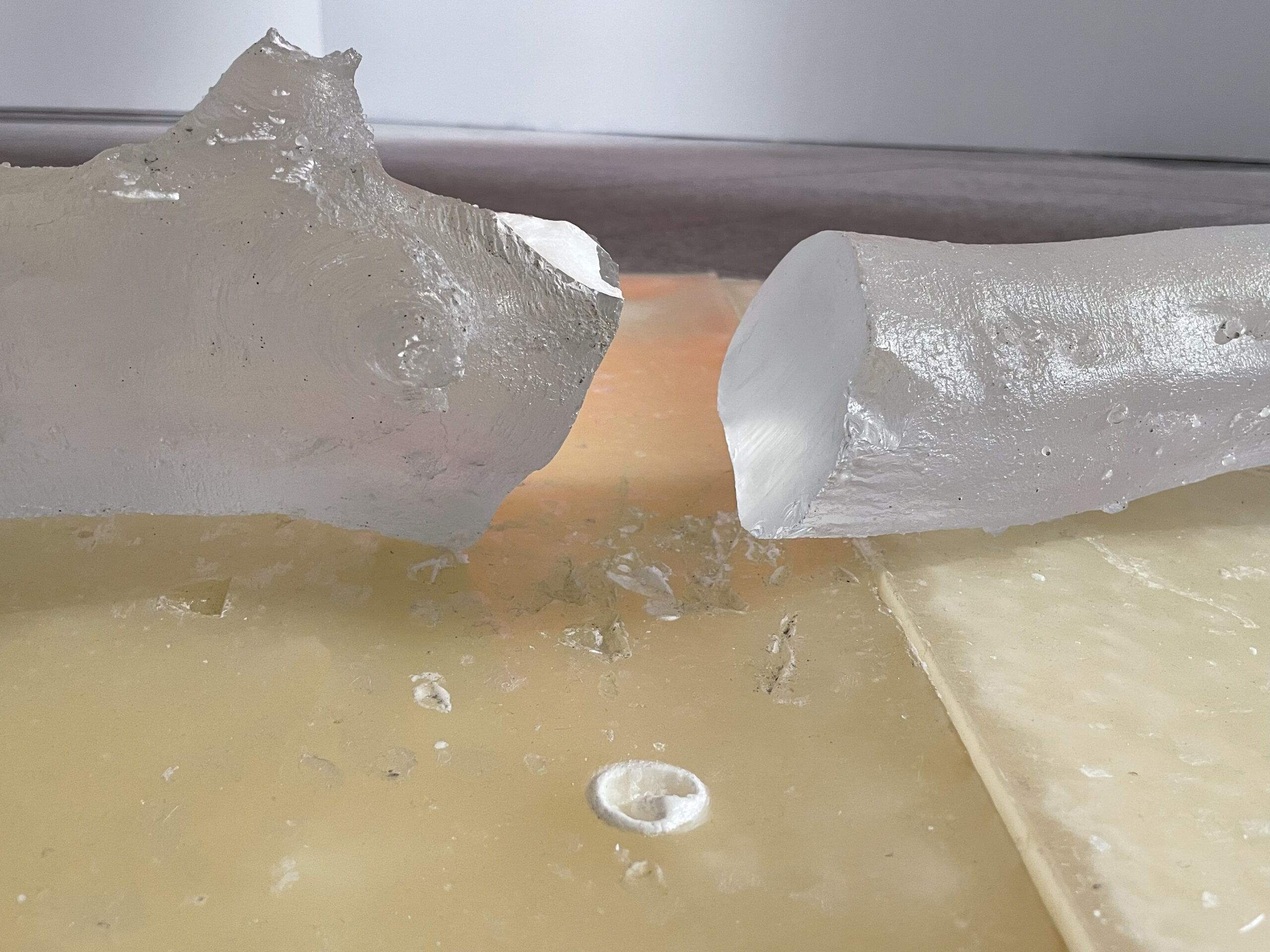
Giuseppe Penone
Propagation
1997
Turin, Gallery of Modern and Contemporary Art (GAM)
The work suffered anthropogenic damage during a temporary exhibition.
The intervention provided for the restoration of the surface flatness of the damaged paraffin sheets, on which there were depressions and scratches. In addition, some fragments that had become detached were re-adhesive on the crystal zoomorphic element. The white and smooth plaster plaster plasters, due to a previous restoration intervention, which were located on one end of a crystal element, were then removed.
[Photo: detail of the work]
CASE STUDY
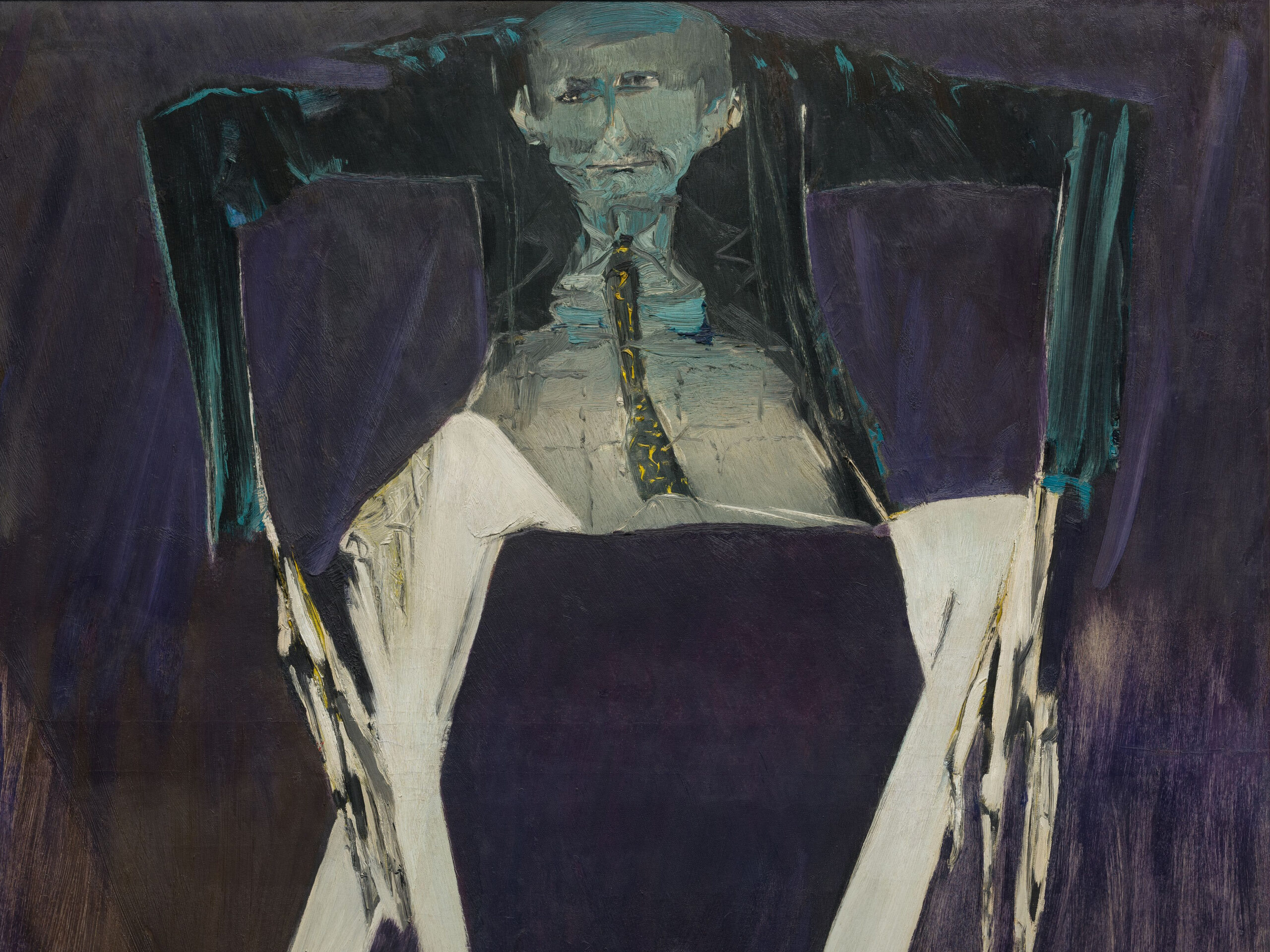
Remo Brindisi
Boy
1958
Private collection
The work, in a very poor state of conservation, had obvious conservation problems due to the execution technique: an alkyd colour on a canvas made of cotton fibre and viscose and polyvinyl chloride (PVC) with white acrylic preparation in titanium and lithopone.
The widespread and wide uplifts of the pictorial film have been solved by consolidating the painting on time at the cracks. The previous touch-ups, characterized by unsuitable grouting because they were too rigid compared to the surrounding drafts, could have created other tensions and, most likely, new uplifts. For these reasons they have been removed and proposed again in plaster and glue with imitation of the surface and, finally, accorded to the chromatic rendering.
[Photo: detail of the work]
CASE STUDY
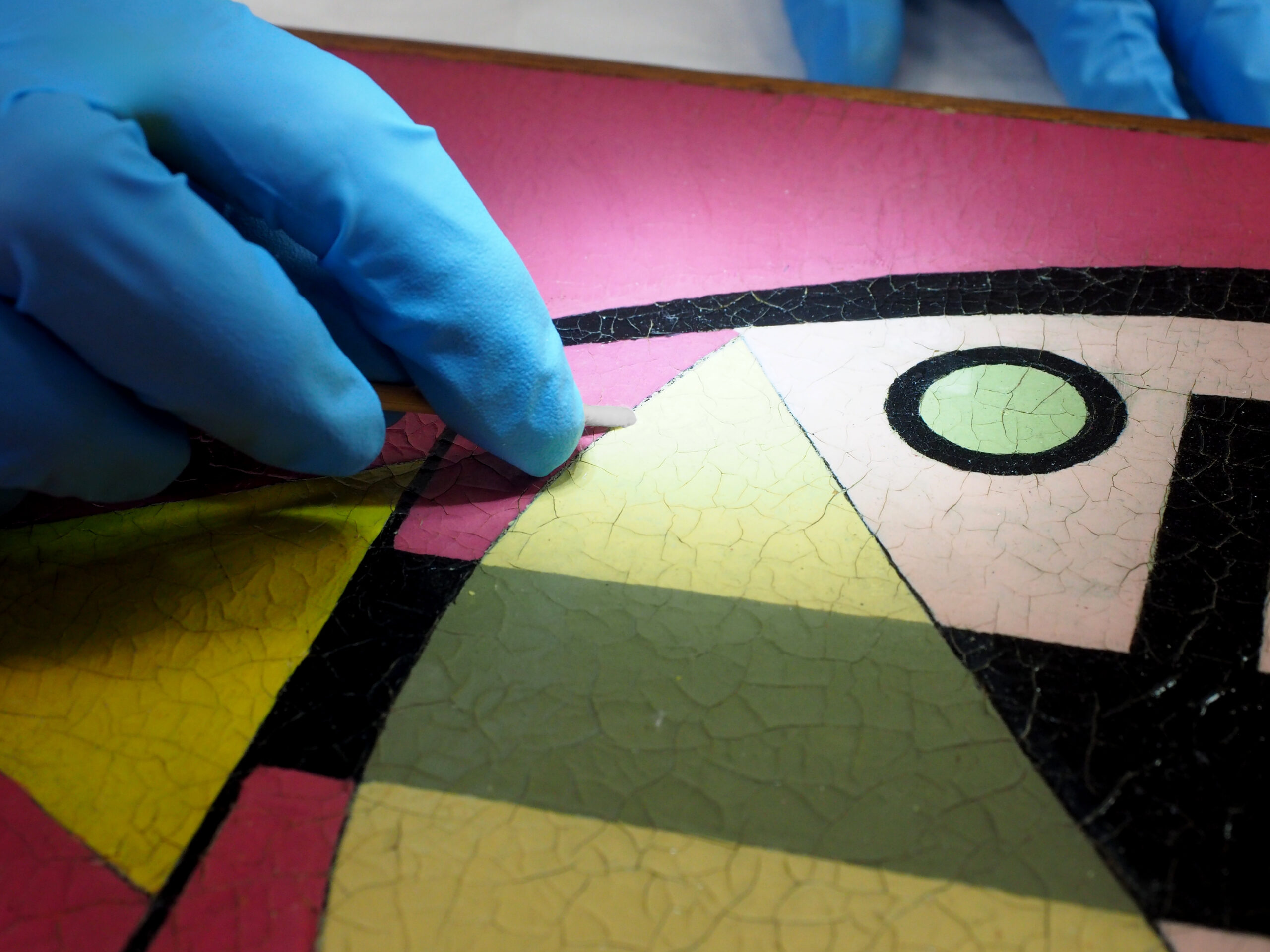
Wassily Kandinsky
Spitz-Rund
1925
Bergamo, Gallery of Modern and Contemporary Art (GAMeC)
On the occasion of the exhibition Kandinsky, harmony preserved. Behind the scenes of the restoration (Mondovì, Museo della Ceramica, 15 November 2018 – 3 February 2019), the work of the famous Russian artist has been studied in the Centre’s laboratories thanks to the collaboration with the Municipality of Bergamo and GAMeC and the support of the Fondazione Casa di Risparmio di Cuneo. Through the multidisciplinary study carried out on the painting, oil on cardboard, an attempt was made to provide the most complete knowledge of the materials and the executive technique used by the artist, intervening on the climatic stabilisation of the work inserted in the Travel frame with microclimate control. The restoration work involved consolidating the painting layer, which was significantly compromised by raised cracks, and subsequently removing a layer of non-original paint.
CASE STUDY
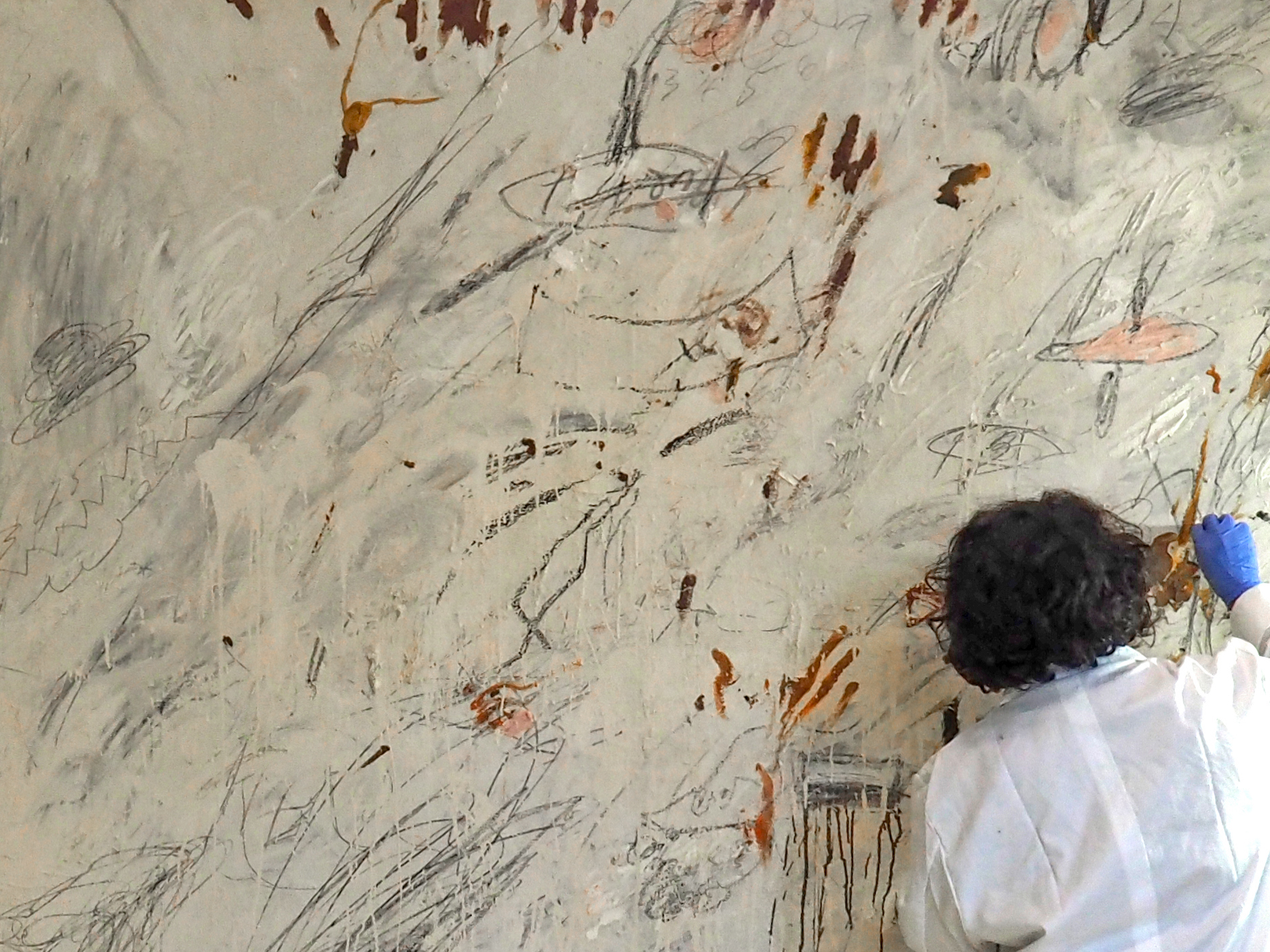
Cy Twombly
Untitled
1961 ca.
Turin, Galleria Civica d’Arte Moderna e Contemporanea (GAM)
The large size and the particularity of the execution technique (painting and graffiti on canvas with oil, acrylics, wax pastels and charcoal) involved a preliminary diagnostic phase, as a result of which it was possible to intervene on the crept pictorial layers and improve the structural function of the canvas / frame system. In addition, some criteria have been defined to allow the museum to monitor the conservation conditions of the work both during permanent and temporary exhibitions.
The intervention was carried out thanks to the campaign “Returns 2018’ by Intesa Sanpaolo.

 CCR and accessibility


